The short version: We read a year of posts on r/pornfree. Most relapses came in the first week, and mostly late at night. Loneliness was the feeling people named most often. Here's what Sherpa does about each finding, and why.
In the last post (Why I'm building a quit porn app, and why we should talk about it) I shared what the numbers said. This one is about what we did with them.
1. Most relapses come in the first week
The finding: When people said how long they'd gone before a relapse, the median was 8 days. 44% didn't make it a full week.
What Sherpa does: In week one, we help you collect small proofs. Each one is a tiny action, like twenty push-ups after waking or five minutes of guitar. And each one tells you the same thing. You're not the person who ends up on porn at 3am. You're already becoming the person you want to be.
Those small proofs pile up in your head, and they carry you through the first week. Of course, willpower matters. It does. It just works a lot better with a few proofs behind it.
There's good research behind this. The psychologist Daryl Bem showed that we learn about ourselves partly by watching what we do. A 2019 study found that habits tied to what we value start to feel like a real part of who we are. And in a well-known habit study, the first few repetitions did the most to make a new habit automatic.
2. It mostly happens late at night
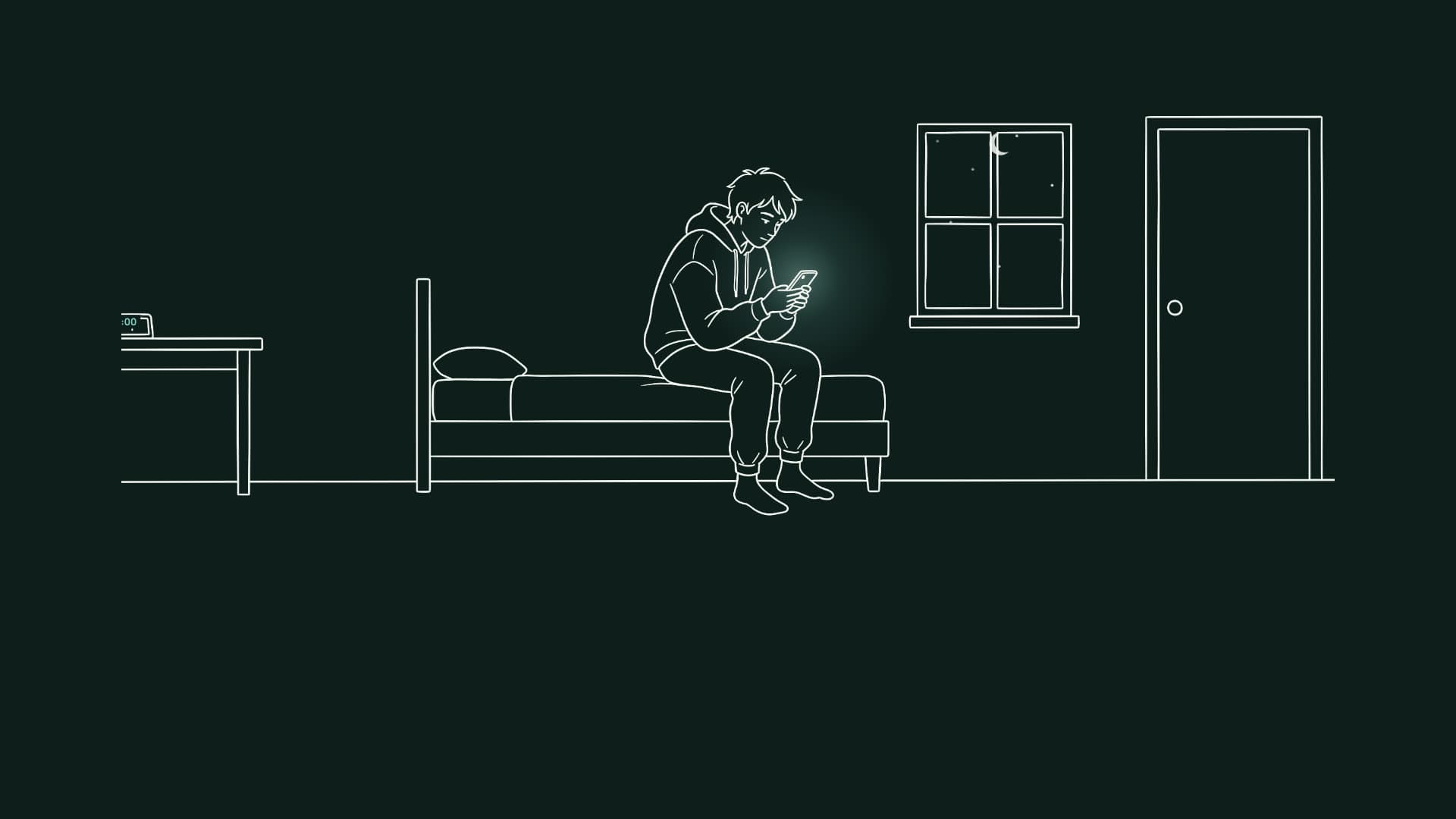
The finding: Half of the clock times people named fell between 10pm and 4am. The most common hour was 3am.
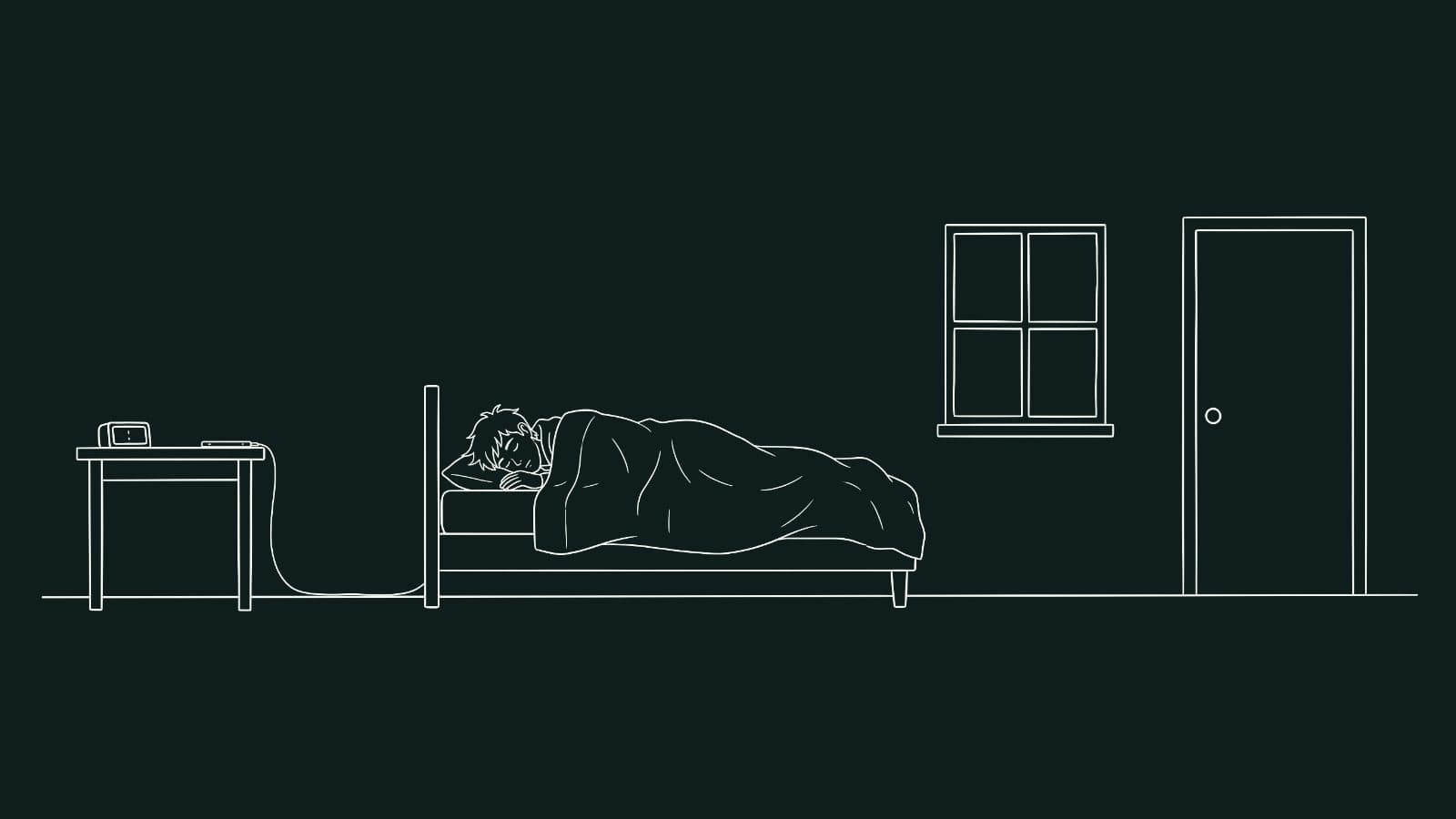
What Sherpa does: Sherpa asks which hour is hardest for you, and plans your day around it. Around 9:30 at night it'll nudge you to switch on your night Shield, which pauses the apps that usually start it. And if a rough night is coming, you write a quick if-then. Something like: if I'm in bed with my phone after 11, it goes on the desk.
3. Loneliness is the feeling named most often
The finding: Loneliness came up in 7.9% of posts, more than any other feeling we counted.
A lot of these posts aren't really about porn. They're about a Friday night with nobody to text, and a phone that's always there when nobody else is. Loneliness makes the cheap button look a lot better. And it's hard to fix on your own, which is the unfair part.
What Sherpa does: The morning check-in asks how you feel, so Sherpa knows when you're lonely. On those days, your plan nudges you toward people. It might be a text to a friend, or a dinner you actually show up to.
Over time, Sherpa tries to build a life with you where you're out with real people, not stuck in an app. That's the point of all of it.
And when you want company from people who get it, there's Base Camp. It's a space where people going through the same thing help and support each other.
4. People talk about building a life more than blocking
The finding: In the posts we read, people mentioned hobbies and exercise about twice as often as blockers.
What Sherpa does: Sherpa is built on habit science. Habits run on cues, like a time of day or a place. Change the setup, and the habit changes with it.
So you tell Sherpa something you've wanted to do for ages, like guitar or finally learning to cook. Sherpa turns it into small steps with a set time and place.
And Sherpa changes with you. Each morning's check-in shapes that day. Each week, you and Sherpa look back and write the next week together, a little harder than the last. Most apps watch the habit. Sherpa helps you build the life around it.
5. Shame shows up after a slip
The finding: At least 14% of relapse posts used harsh words about the person writing, like "hate myself". That's a floor, because our word list was narrow.
If you slipped last night, here's the honest version. One night doesn't cancel out the good ones. It doesn't make you a bad person, and it doesn't put you back at zero. It was one hard night, with a time and a place attached.
A lot of people who quit for good slipped many times on the way. What changed wasn't that they stopped slipping. They stopped hating themselves for it, and started asking what happened.
That's how Sherpa treats a bad night too. No lecture. Just what happened, and a better plan for today.
6. It often starts with "just one look"
The finding: 12.4% of relapse posts named a social app or softer content as part of how it started. Instagram and Reels were typical. 5.1% described the same reasoning: just one look, or one last time.
What Sherpa does: Digital Shield can pause those apps in your hard hours, on iPhone and Android. When an urge is already there, Ride it out walks you through it in three minutes. It's urge surfing, a technique from relapse-prevention research, and it works even with no signal.
7. About 1 in 5 posters are women
The finding: Among posters who stated a gender, 19.5% were women.
What Sherpa does: Sherpa never assumes you're a man. Your goal is in your own words, and nothing in the app guesses who you are.
The short of it
Most of the people in those 12,445 posts weren't asking for a stricter app. They were asking for a better evening. That's what we're trying to build.
What we built, finding by finding
| What we found | What Sherpa does |
|---|---|
| Median relapse came at day 8; 44% within a week | Small daily proofs from day one; no day counter to lose |
| Half of the named times were between 10pm and 4am | Plans around your hardest hour; a 9:30pm Shield nudge; if-then plans |
| Loneliness was named most often (7.9% of posts) | Lonely days lean toward people; Base Camp for support from people who get it |
| People mentioned hobbies and exercise twice as often as blockers | A plan built from something you want to do, adjusted every day and every week |
| Harsh words about oneself in at least 14% of relapse posts | A bad night is treated as information, never a verdict |
| 12.4% of relapse posts started with social apps or softer content | Digital Shield on chosen apps and hours; Ride it out urge practice |
| About 1 in 5 posters are women | No gendered language; goals in your own words |
How we did this
- The sample: we read 12,445 r/pornfree posts from October 2025 to October 2026, from the Arctic Shift research archive of Reddit.
- How we counted: with plain keyword patterns, after dropping anything that looked written by someone under 18.
- What we published: counts only. The full method is in the first post (Why I'm building a quit porn app, and why we should talk about it).
Questions people ask
Does Sherpa count days?
No. Progress is points for things you did, and a bad night doesn't take them away.
Does Sherpa block porn?
Sherpa's Digital Shield can pause apps you choose during hours you choose, on iPhone and Android. It's a safeguard. The main work is building a day you'd rather be in.
Is Sherpa a replacement for therapy?
No. It's a life building app built on published habit research.
Sources
- Sherpa analysis of r/pornfree (Arctic Shift archive), October 2026
- Bem, D. J. (1972), Self-perception theory, Advances in Experimental Social Psychology, 6
- Verplanken, B. & Sui, J. (2019), Habit and identity: behavioral, cognitive, affective, and motivational facets of an integrated self, Frontiers in Psychology (PMC)
- Lally, P. et al. (2010), How are habits formed: modelling habit formation in the real world, European Journal of Social Psychology
- Wood, W. & Rünger, D. (2016), Psychology of habit, Annual Review of Psychology
- Sheeran, Listrom & Gollwitzer (2025), The when and how of planning: meta-analysis of the scope and components of implementation intentions in 642 tests, European Review of Social Psychology (record)
- Bowen, S. & Marlatt, A. (2009), Surfing the urge: brief mindfulness-based intervention for college student smokers, Psychology of Addictive Behaviors